
The National Shortage of Psychiatrists

There’s a reason telepsychiatry is becoming so popular: There’s a national shortage of psychiatrists, and for some places – specifically rural areas – telepsychiatry is the solution to the desperate need for doctors.

One in five adults in America experiences some form of a mental illness, and nearly one in 20 adults live with a mental illness. To make it worse, 60 percent of adults with mental health issues received little or no treatment for their illness in the past year. The demand for psychiatrists is higher than it’s ever been. Nationally, the average amount of need met in any given area is just 44 percent – meaning the majority of individuals suffering get undertreated or receive no treatment at all.

Mental health services are lacking nationwide. It’s expected that between now and 2024, healthcare employment will grow another 19 percent. Though there’s always a need for more doctors, this national shortage of psychiatrists has come on fairly recently. According to Health eCareers, there could be several reasons (both good and bad) for the recent increase in the need for psychiatrists.

One reason the demand for psychiatrists has increased so drastically is because more Americans are gaining coverage of healthcare. Though the healthcare plan may change, the Affordable Care Act has a law which states that insurers can no longer deny coverage to people who have diagnosed mental illnesses. Furthermore, increased awareness for mental health has affected how access to quality healthcare is addressed in many states.

Another reason that there is such a demand for psychiatrists is because fewer medical students specialize in psychiatry. This could be because psychiatry jobs generally don’t pay as well as other fields or because of generational differences. Psychiatry was very popular in the 60s and 70 and has since declined in popularity, despite increased conversation about the importance of mental healthcare.

Many who suffer from mental health issues and seek help can receive the care they need from a counselor or therapist – but for other patients, seeing a psychiatrist is vital for their care. There is a void in mental healthcare everywhere, and it’s especially felt in rural areas. In some towns with smaller populations, the wait to see a psychiatrist can be months – if there even is a psychiatrist in the area. On some college campuses, the wait for an appointment with a counselor can be three weeks or more. In the case of someone suffering from substance abuse, addiction or compulsion, the need for psychiatric help is dire. This lack of professionals available to provide care leads to overall public health suffering.

So what can be done? Discussions about the importance of mental healthcare must continue, and young students entering medical school ought to be informed of this national shortage. Fortunately, developments in telemedicine have allowed telepsychiatry to begin providing services in areas with a tremendous need for them – but there is still much work to be done.

Sources:

https://www.forbes.com/sites/brucejapsen/2015/09/15/psychiatrist-shortage-worsens-amid-mental-health-crisis/#1897534a48d3https://www.forbes.com/sites/brucejapsen/2015/09/15/psychiatrist-shortage-worsens-amid-mental-health-crisis/#1897534a48d3

https://www.forbes.com/sites/brucejapsen/2015/09/15/psychiatrist-shortage-worsens-amid-mental-health-crisis/#1897534a48d3

https://www.healthecareers.com/article/healthcare-news/healthcare-psychiatrist-shortage
Telepsychiatry in the ER is Easier Than You Think

There are few things worse than a psychiatric patient sitting idle in an emergency room bed. As a last resort, these patients have come in dire need of treatment, only to sometimes sit waiting for hours upon hours. With a nationwide shortage of psychiatrics, this has unfortunately turned into a commonality at hospital emergency rooms across the country. That’s where ER telepsychiatry can help.

In the past few months, I have noticed a spike in the number of requests we have been getting from hospital systems asking us about telepsychiatric consultations. Most of these groups have the same common questions:

  • How does the process work?
  • Can you implement within our system?
  • What equipment do we need?
  • How long do we have to wait for the doctor?
  • What makes for a successful ER telepsychiatry program?

Let’s start from the top. How does the process work?

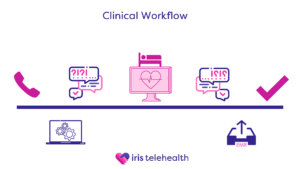
When done well, initiating a telepsychiatry consult is quite similar to calling any other consult in the ER. To begin with, a clinician evaluates a patient and determines that there is a need for a psychiatric consultation. Then, the clinician enters the basic information into a paging system and has an assistant in your ER take the telemedicine cart (which is basically a computer with a webcam on wheels) into the patient’s room. From here on, the consult works nearly identically to a standard face-to-face consult. One of our telepsychiatrists would promptly call you or a designated individual (such as a social worker), to discuss the basics of the patient’s presentation. Next, our psychiatrist connects to that telemedicine cart and is able to speak with and see the patient in real-time. The psychiatrist would then develop a treatment plan, which typically includes a disposition, and communicate this with the attending ER doctor. Finally, our psychiatrist writes a note directly into your EMR and the consult is complete.

Can you implement within our system?

We always do our best to implement with your existing equipment. It’s important to minimize the amount of change to your existing organization when you’re implementing a new project. Most hospitals already have an established EMR, prescribing system, and protocols for managing operations. We have found from gathering data and from personal experience that the more we are able to implement seamlessly within your systems, the higher the satisfaction of the clinicians and hospital we are partnered with. Because of this, Iris and our psychiatrists will adapt to work within your existing infrastructure – from your existing telemedicine equipment to your EMR and beyond!

What equipment do we need?

The equipment required for telepsychiatry is relatively simple. The very nature of psychiatry makes it a field that is well-suited for telemedicine as we typically do not require any additional equipment beyond a computer. If you already have existing equipment, chances are we can implement with your current systems without any additional work.

How long do we have to wait for the doctor?

In most cases, the wait is less than 15 minutes from the initiation of a consult to the psychiatrist being at your patient’s bedside. Timing is important in all areas of medicine, but it is critical to Emergency Medicine. For good patient care, it is necessary for things to run efficiently to allow the timely delivery of services to your patients. A good telepsychiatry partner should have systems in place that can initiate a telepsychiatry consult in a matter of minutes. There needs to be an intelligent way of handling changing volumes across multiple hospitals and being able to compensate for swells of consultations. We handle this by using smart technology, called Iris Ping, to be sure that there is never more than one consult waiting in the queue. When you combine this with an active and dynamic call pool of dedicated psychiatrists, you have a system in place that can literally put a psychiatrist at the patient’s bedside consistently in under 15 minutes.

What makes for a successful ER telepsychiatry program?

Many variables can affect the success of an ER telepsychiatry program, but in our experience one factor stands above the rest – cultural fit. It is important to partner with a group that matches your vision and values and is willing to be flexible to work within your organization’s mindset. This holds true at every level, from the leadership team to each individual clinician. In fact, the single most important factor that we have identified within cultural fit is the fit of each clinician. This likely comes as no surprise, as a telepsychiatry group is only as good as its individual psychiatrists. It is critically important that each psychiatrist that works with your facility understands the needs and goals of your Emergency Department. Over time, we find that our psychiatrists are able to build real relationships with your staff and truly become integrated members of your treatment team. In our eyes, that is the moment when a telepsychiatry program reaches the peak of its success.

There you have it. When done correctly, implementing ER telepsychiatry in your Emergency Department should be straightforward and seamless. Having access to a psychiatrist when you need them can allow you to more accurately and quickly develop a treatment plan for each individual. This means that these patients spend less time in the Emergency Room and can quickly get the mental healthcare that they need – whether that be at home, in the community, or in a hospital.

Are All Psychiatry Services Created Equal?

A look at telepsychiatry and face-to-face psychiatry services

Do psychiatrists need to be in the same room with a patient in order to correctly diagnose and counsel the patient? According to a study involving 495 subjects — about half had face-to-face sessions with a psychiatrist, while the other half were treated via telepsychiatry — both delivery systems exhibited equivalent outcomes. In other words, telepsychiatry and face-to-face psychiatry showed equal clinical improvements, hospitalization rates and patient satisfaction with inpatient psychiatric treatment and telepsychiatry services. However, the cost of providing telepsychiatry was much lower than the cost of face-to-face sessions.

Telemedicine originally developed as a tool primarily used in the field of psychiatry. With the rise of high-speed Internet, telepsychiatry has emerged as an effective and promising method of providing psychiatric services to patients with little or no access to mental health services.

One reason behind the rapid expansion of telepsychiatry services is the 21st century’s shortage of psychiatrists. A survey conducted six years ago found that nearly 80 percent of U.S. state counties did not have enough psychiatrists to adequately address the mental health needs of people suffering serious mental illnesses.

The far-reaching effects of telepsychiatry services have fortunately alleviated this supply and demand imbalance. They have also improved the efficacy of psychiatric care by making it much easier for one psychiatrist to treat people in multiple venues without being burdened with transportation difficulties.

Why Psychiatrists Do Not Need Face-to-Face Sessions with Patients

Research on the reliability of telepsychiatry has produced good results supporting positive interrater reliability for a wide variety of psychiatric disorders.

Since the majority of psychiatric patients have been referred by primary care physicians, telepsychiatrists are not “cold” meeting a patient. Through clinical notes provided by the patient’s medical doctor, telepsychiatrists are already equipped with information that facilitates their ability to competently evaluate a patient’s mental health.

Telepsychiatry providers have also found that patients tend to open up more freely to them when using videoconferencing technology. Iris Telehealth uses software similar to Skype or Facetime, that has additional security built in to ensure patient confidentiality is protected. This type of technology can lead to self-disclosure, social exchange and meaningful relationships — many theorists believe these components are just as important as physical contact. Telepsychiatry providers working for educational institutions have also reported that students more readily disclose clinical information via videoconferencing rather than face-to-face contact.

Patient Satisfaction Naturally Leads to Better Outcomes

With the majority of patients satisfied with their telepsychiatry services, the likelihood that patients using telepsychiatry services will adhere to treatment procedures and medication regimens is significantly increased.

Better yet, telepsychiatry is now reaching disadvantaged populations — rural residents, the elderly and the disabled — who would otherwise be hard-pressed to access face-to-face sessions with a psychiatrist.

In fact, telepsychiatry in rural areas is one of the fastest-growing areas of mental health care today. One doctor in Greenville, NC, even closed his traditional practice to conduct evaluations and sessions via videoconferencing when he discovered patients wholeheartedly preferred telepsychiatric services over face-to-face meetings.

With research revealing a high percentage of satisfied patients and effectiveness rates supporting telepsychiatry services, the time has come for telepsychiatry providers to begin embracing the advantages of telehealth technology.

Cost, Access, and Quality of Telemedicine

Cost, Access, and Quality of Telemedicine

With research results finding telemedicine has the potential to increase the accuracy of diagnoses while improving access to health care for disadvantaged individuals, telemedicine/telehealth service activists are working to overcome barriers existing between patients and telemedicine providers. Additionally, study-based evidence further champions the need to improve access to telemedicine by revealing that socioeconomic benefits for families, patients and healthcare professionals are indeed significant. In fact, the significantly reduced cost of telemedicine, combined with the high quality of telemedicine, is rapidly becoming a primary subject of interest for global health providers and researchers.

Quality of Telemedicine Is Equal to or Exceeds Traditional Medicine

Several studies have found that the satisfaction rate among surgeons using telemedicine or teleconferencing was nearly 90 percent. The quality of telemedicine services rated by patients also either equaled or exceeded the same ratings for traditional medical treatment. Results of another study found evidence that telemedicine improved quality of life. Further, hypertension patients being monitored via telemedicine video conferencing experienced better blood pressure control than patients receiving traditional care.

Another interesting study focused on the impact telemedicine had on younger emergency room patients. It found that quality of care was higher for those requiring telemedicine consultations than for patients who were evaluated or diagnosed via phone consultations or no consultations.

Currently, some states are even investing in telemedicine technologies for use by home health providers as a way to reduce travel time for providers and therefore increase their ability to assist more patients in one day.

Cost of Telemedicine and Telemedicine Reimbursement

Since healthcare spending comprises a large portion of any community’s economy (especially rural communities), telemedicine services can give medical assistance to local people so they do not need to travel outside the community. Telemedicine would not only keep money within the community but would promote business retention and recruitment. In fact, access to locally available healthcare is an important factor in the successful recruitment of new businesses and improving local economies.

Telehealth advocates also assert that telemedicine has the ability to significantly reduce overall costs of health services. With a potential for restructuring and transforming the way healthcare is provided, telemedicine contributes to reducing costs by redistributing resources from clinical environments to primary care.

One of the most troublesome obstacles to completely integrating telemedicine services into standard healthcare methods is the lack of consistent reimbursement policies provided by private and public health insurance providers. Although the Balanced Budget Act of 1997 authorized partial reimbursement for telemedicine and telehealth services, factors like eligibility guidelines or geographic location still restrict reimbursement.

Currently, 48 state Medicaid programs contain reimbursement clauses to pay for telemedicine services. Behavioral health, psychiatry, and mental health counseling are seeing the most rapid expansions in reimbursement. Budget constraints are preventing other state Medicaid agencies from establishing telemedicine reimbursement policies.

In addition, over half of the states have telemedicine parity, a legal term that means these states require private insurers to reimburse telemedicine services equivalently to in-person care. Implementation of parity allows financially responsible services to be given in that state via telemedicine and increases access to care, particularly in rural areas.

On the other hand, Medicare reimburses recipients in all 50 states if they meet certain requirements. To learn more about telehealth reimbursement issues, please contact Iris Telehealth today.